What to Expect on Your New Build Demo Day (Pre-Completion Inspection Guide UK)
Your demo day (also called a pre-completion inspection) is one of the most important steps before you move into your new build home.
It’s your chance to walk through the property, understand how everything works, and raise any questions or concerns before handover.
Many buyers aren’t sure what to expect — or what they should be asking.
This guide covers what you need to know so you can make the most of the visit.
What is a demo day?
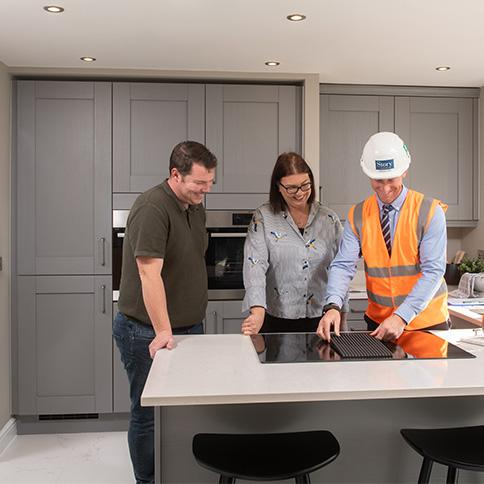
A demo day is a walkthrough of your new home with the developer or site manager shortly before completion.
It usually involves:
A full tour of the property
Demonstrations of key systems (heating, ventilation, electrics)
An opportunity to ask questions
A chance to highlight any issues
👉 Think of it as both a handover briefing and your first proper look at the finished home.
Will the house be fully finished?
Not always.
At demo day, the property is typically:
Very close to complete, but
Some minor works may still be outstanding
Examples include:
final decorating touch-ups
external works (paths, gardens, roads)
cleaning
👉 Don’t be alarmed if small items are incomplete — but do ask when they will be finished.
What should you be doing during the visit?
It’s easy to treat demo day as a quick tour — but it’s worth taking a more structured approach.
You should aim to:
Understand how everything works
Check the general condition and finish
Ask practical, day-to-day questions
Make a note of anything that looks unfinished or incorrect
If you want something structured to follow during your walkthrough, you can use a room-by-room checklist here:

Key things to check and ask about
1. Heating, hot water and ventilation
Make sure you’re shown:
How to use the heating system
Thermostat controls and timers
Boiler location and pressure
Any ventilation systems (e.g. MVHR)
👉 Ask:
How do I adjust the temperature?
How often should this be serviced?
2. Stopcock, electrics and safety features
These are often overlooked but essential.
Ask where to find:
Stopcock (water shut-off)
Consumer unit / fuse board
Smoke and heat detectors
Any isolation switches
👉 You don’t want to be figuring this out in an emergency.
3. Windows, doors and locks
Check:
Doors open/close properly
Locks and keys work smoothly
Window restrictors and vents
4. Kitchen and appliances
Ask for demonstrations of:
Oven, hob, extractor
Dishwasher / washing machine connections
Any integrated appliances
5. Bathrooms and plumbing
Run taps and showers
Check water pressure
Look at sealant and finishes
6. External areas and the development
This is a big one that often gets missed.
Ask:
When will the main road be fully finished (final top coat)?
When will the site be completed overall?
Will there be ongoing construction nearby?
What is the plan for landscaping and communal areas?
👉 It’s common for developments to remain active long after you move in.
7. Utilities and practical living
Clarify:
Broadband availability and providers
Mobile signal (if known)
Bin collection arrangements
Parking allocation
Can you bring a snagging inspector?
This depends on the developer.
Some allow it
Some prefer it to be done separately
Some restrict access for external inspectors at this stage
👉 If you’re considering it, ask in advance.
Should you record issues on demo day?
Yes — but keep expectations realistic.
Demo day is:
A good opportunity to spot obvious issues
Not always the only chance to report them
Most developers will still allow issues to be raised:
After completion
During your defects period
👉 The key is understanding how to report issues properly
Some homeowners use notes or photos, but it’s worth thinking about how you’ll keep everything organised once you start identifying issues.
Using a structured format (or a simple tool) can make things much easier to track and share later on.
How should snags or issues be reported?
Ask your developer:
What is the official reporting process?
Is there a system or email address?
Will issues be tracked formally?
👉 Having a clear process makes a big difference later on.
Many homeowners find that:
notes
emails
photos
quickly become difficult to manage once repairs start.
A clear, structured list (rather than multiple emails or messages) makes it much easier for developers to respond and work through items.
Top tips for your demo day
Take your time — don’t feel rushed
Ask questions, even if they seem basic
Take photos or notes as you go
Focus on understanding the house, not just spotting issues
Clarify anything you’re unsure about before you leave
What happens after demo day?
After your visit:
Some issues may be resolved before completion
Others may be addressed after you move in
You’ll usually continue identifying items once living in the property
👉 This is completely normal for new build homes.
Final thoughts
Your demo day isn’t just a quick walkthrough — it’s your introduction to how your home works and how issues will be handled.
Most buyers focus on the purchase itself.
👉 The ones who have the smoothest experience are those who:
ask the right questions
understand the process
and stay organised from the start
If you’re planning your demo day, taking a bit of time to prepare will make the whole move-in process far less stressful.
If you’re preparing for your demo day or move-in, having a simple way to record and organise issues from the start can save a lot of back and forth later.


Comments